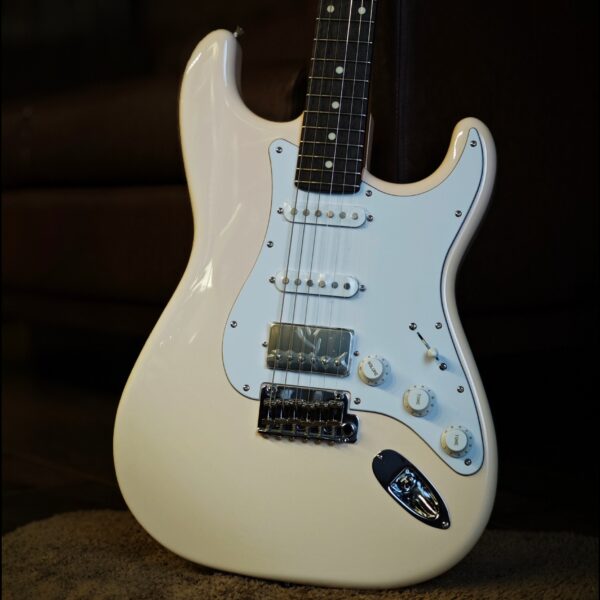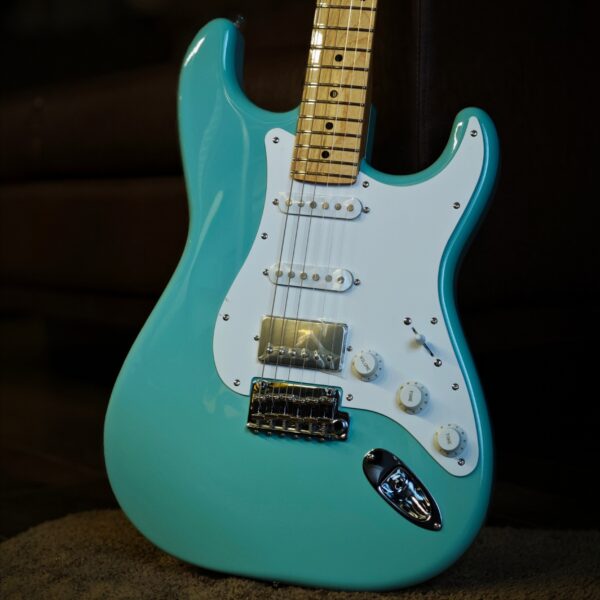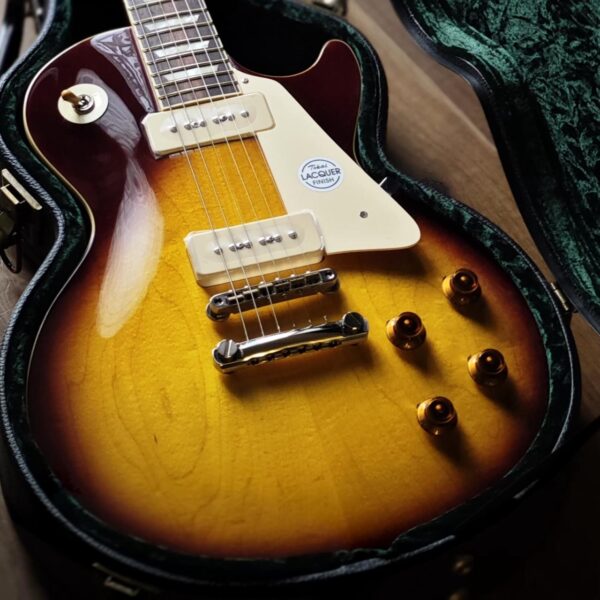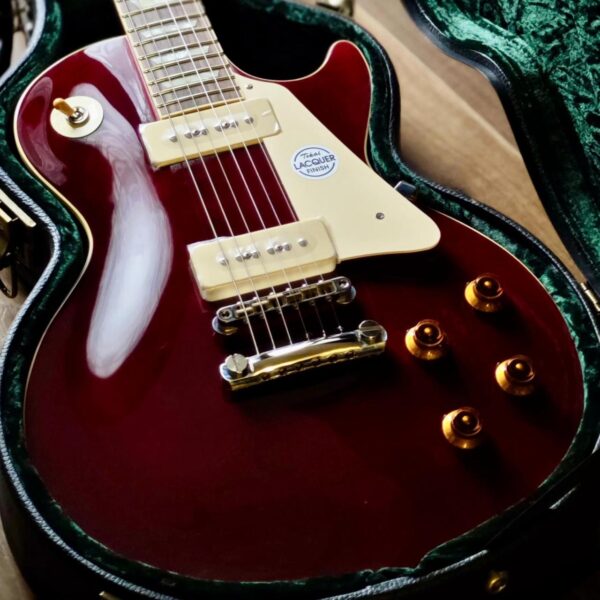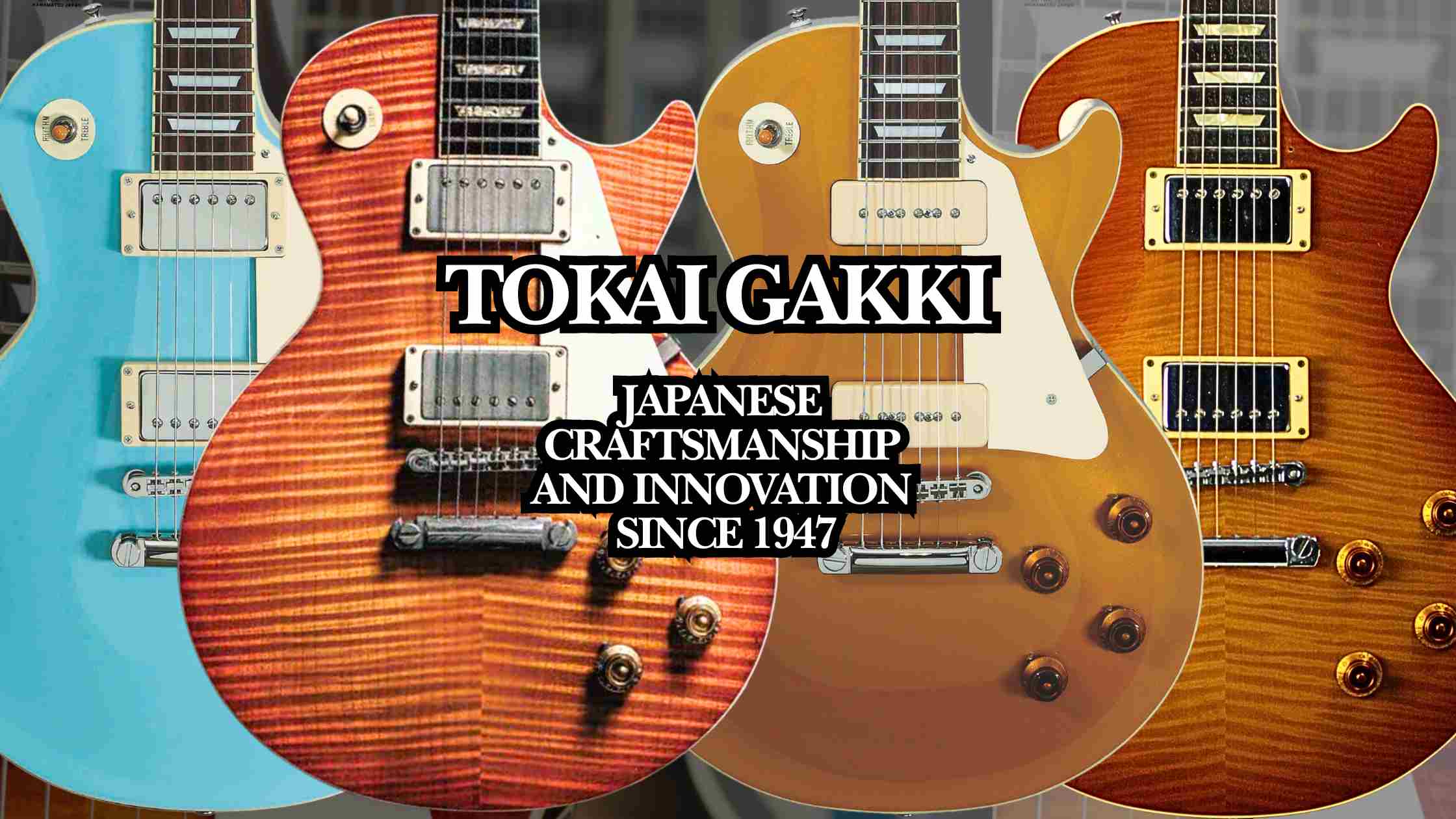
For over 75 years, Tokai Gakki Manufacturing Co., Ltd. has stood as one of Japan’s most respected and innovative instrument makers. From humble beginnings in post-war Hamamatsu to pioneering new guitar technologies recognized around the world, Tokai’s journey is a story of craftsmanship, evolution, and deep passion for music.
Here’s a look back at the rich history that shaped Tokai — and a glimpse into where it’s headed next.
The Early Years: Foundations of Sound (1947–1960s)
It all began in 1947, when Tokai Musical Instrument Research Institute was founded in Terajima, Hamamatsu City, with a mission to develop and improve musical instruments like pianos and harmonicas.
By 1961, Tokai had already made waves by developing the now-iconic Pianica, a keyboard harmonica that remains a staple in music education across Japan. This set the tone for a company unafraid to innovate — combining traditional craftsmanship with new ideas.
In the following years, Tokai expanded into stringed instruments:
- 1965: Began production and sales of classical guitars.
- 1968: Launched electric guitars under the “Humming Bird” brand.
- 1970: Added acoustic guitars to the Humming Bird lineup.
Partnerships and Expansion (1970s)
The 1970s were a time of global connection and product diversification for Tokai.
- In 1972, Tokai became the exclusive distributor of C.F. Martin guitars in Japan, forming a technical partnership the following year.
- By 1975, Tokai was producing banjos, harpsichords, and introduced a new acoustic guitar brand: Cat’s Eyes.
But innovation didn’t stop there. In 1977, Tokai developed a unique struck-string electric piano, the Lite Piano, bringing it to market the same year.
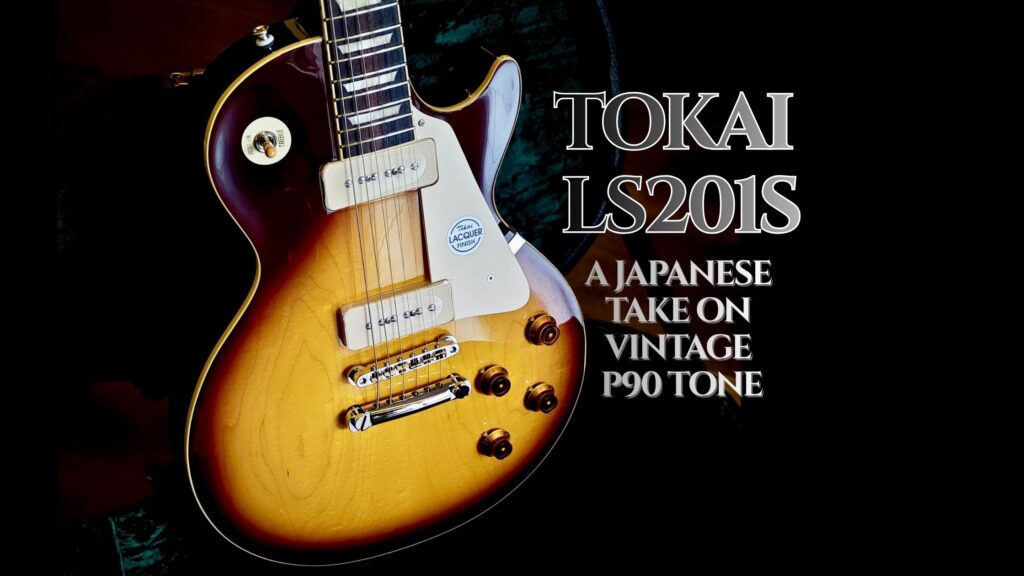
Then came a major milestone in 1978 — the launch of the LS Series electric guitars, a product line that would go on to define Tokai’s name globally for its impeccable craftsmanship and vintage tone. That same year, the company also began producing upright pianos, showcasing its wide-ranging musical expertise.
Pioneering New Sounds (1980s–1990s)
If the 1970s were about establishing Tokai’s presence, the 1980s were about pushing boundaries.
- In 1983, Tokai shocked the guitar world with the release of the TALBO — the world’s first electric guitar with a full metal body made from a new aluminum alloy.
- Just two years later in 1985, Tokai introduced the MAT Series, guitars made with carbon fiber and fiberglass bodies and necks — once again proving that innovation runs deep in their DNA.
Although the TALBO went out of production for a time, growing demand saw it return in 1996, ready to inspire a new generation of players.

The SEB Era: Rethinking the Guitar Body (2000s)
The 2000s brought perhaps one of Tokai’s most profound technical innovations: the SEB (Sound Effect Body) structure.
- In 2004, Tokai filed a patent for this revolutionary three-layer body design, engineered to enhance vibration transmission and redefine the tonal possibilities of solid-body guitars.
- By 2005, the SEB Sound Stream series was launched, offering players a new level of sustain, clarity, and acoustic resonance.
With SEB, Tokai proved that the future of guitar tone wasn’t just in electronics or pickups — but in the very structure of the instrument itself.
Renewal and the Future (2020s and Beyond)
In 2021, Tokai entered a new phase by merging with GRACE Inc., a company involved in instrument reuse and sustainability. This move reflects Tokai’s commitment not only to making world-class guitars, but to doing so with care for the environment and future generations.
Today, Tokai continues to explore new materials, technologies, and ways to connect directly with players — including the introduction of semi-custom ordering, and expanding global distribution to reach new audiences.
Carrying the Torch Forward
From a small workshop in Hamamatsu to an internationally respected name in guitars, Tokai has always walked a path of quality, originality, and soulful sound.
Now, more than ever, they’re embracing the future — without forgetting the values that built their legacy.
Because at Tokai, every guitar still begins with the same belief:
That true music is born when tradition, innovation, and heart come together.
Click to Read: