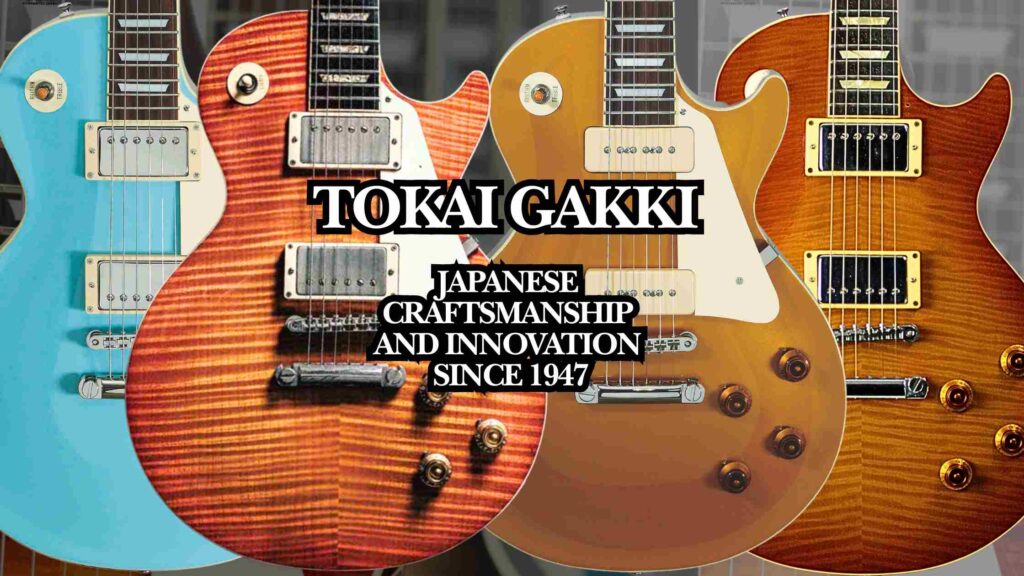
In a world that moves faster by the day, where automation is king and speed often trumps soul, there’s a place where craftsmanship still reigns — where guitars are not just assembled, but born. Welcome to Tokai Guitars: a company where hands connect to the heart, the heart to tradition, and tradition to the creation of truly legendary instruments.
The Roots of Tokai: Crafting a Legacy Since 1947
The story of Tokai begins in post-war Japan, in 1947, with the founding of the Tokai Musical Instrument Research Institute. Initially focused on research and development, the company laid the groundwork for what would become one of Japan’s most revered guitar makers.
By the 1960s, Tokai began manufacturing and selling guitars. But it was the 1970s that would mark the start of something truly special.
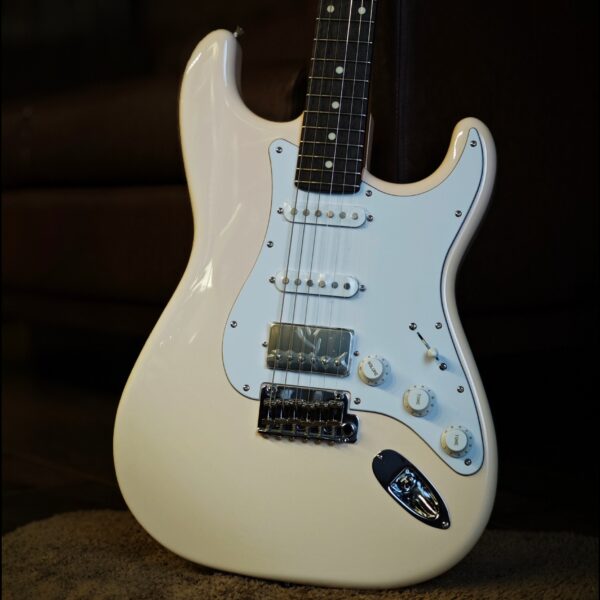
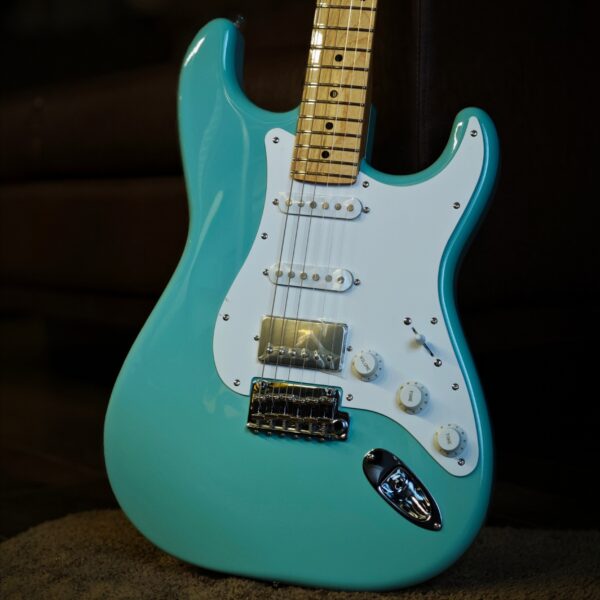
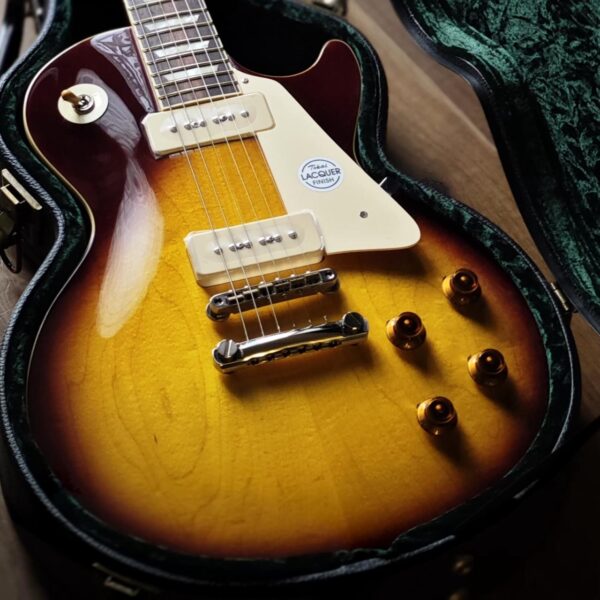
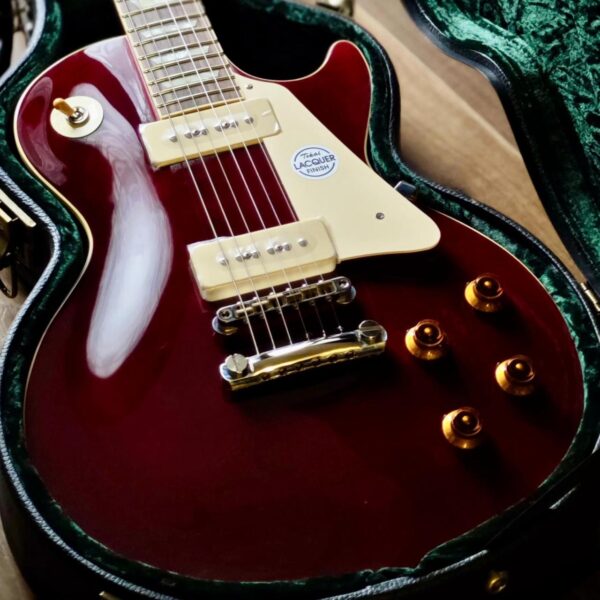
Partnering with renowned international brands, Tokai began releasing its own electric guitar lines — most notably the ST Series in 1977 and the LS Series in 1978. These instruments didn’t just mimic the greats — they met them in quality, and in some cases, even surpassed them. From Japan to the global stage, Tokai guitars quickly earned a reputation for excellence among musicians and collectors alike.
Breaking Ground with Innovation: The Talbo Revolution
Tokai’s legacy isn’t only built on tradition — it’s built on bold innovation.
In 1983, Tokai developed and produced the world’s first metal-bodied electric guitar using a proprietary aluminum alloy. Called the Talbo, this futuristic design was more than just eye-catching; it offered a distinctive tone and sustain that captivated players looking for something beyond the ordinary.
The Talbo proved Tokai wasn’t just preserving the past — it was reshaping the future.
The Beauty of “Inefficient” Craftsmanship
At the heart of Tokai’s philosophy is something they proudly call “non-efficient manufacturing.”
While mass-produced guitars chase productivity, Tokai chases perfection — even if it takes longer. One example? The neck and body joint, a critical part of any guitar’s tone and feel. At Tokai, experienced luthiers hand-fit each joint with painstaking precision, using nikawa, a traditional natural glue typically reserved for top-tier custom guitars. Every neck pocket is shaped, adjusted, and re-adjusted until it resonates just right.
It’s slow. It’s deliberate.
And it’s how magic is made.
Complementing this artisanal touch is state-of-the-art machinery, such as high-precision NC routers, which ensure consistency across the board. This balance of handcraft and technology allows Tokai to recreate vintage tones with stunning authenticity while meeting the needs of modern players.
Staying True in a Changing World
As guitar manufacturing has shifted to mass production in other parts of Asia, purely Japanese-made instruments have become increasingly rare. But Tokai stands firm.
Since 1947, every Tokai guitar has carried the spirit of Japanese craftsmanship — and the company is committed to passing that spirit on. Through new initiatives, they’re expanding beyond tradition without leaving it behind. These include:
- Developing new materials and technologies
- Offering semi-custom, direct-to-player options
- Opening new global distribution channels
Tokai isn’t just preserving history — it’s writing the next chapter.
More Than Just a Guitar
A Tokai guitar is more than wood, metal, and strings. It’s the result of decades of passion, discipline, and artistry. It’s a bridge between the soul of the player and the traditions of master builders. It’s an invitation to experience music in its purest form — honest, powerful, and timeless.
So whether you’re a vintage tone seeker, a modern-day shredder, or a new player searching for your first lifelong companion, there’s a Tokai waiting to become part of your story.
At Tokai Gakki, where heritage blends seamlessly with innovation, a revolutionary concept was born—one that challenges conventional thinking about solid-body guitars. Introducing SEB: the Sound Effect Body. Let’s explore this groundbreaking idea in detail in our next blog.